Background

A Practical Framework for Safe AI & Automation Adoption

AI Adoption Succeeds When It's Planned - Not Rushed


Many organisations feel pressure to adopt AI quickly, often driven by headlines, competitors, or internal demand. However, successful AI adoption rarely comes from deploying tools alone. It requires readiness across people, processes, and technology. Without this foundation, AI initiatives can stall, introduce risk, or fail to deliver meaningful value.


This framework provides a structured, practical approach to adopting AI and automation in a way that is safe, sustainable, and aligned with real business goals.


images copilot-logo
Book a Free Consultation

What "AI Readiness" Really Means

AI readiness goes beyond having the right tools in place. It reflects how prepared your organisation is across technology, governance, and people.

2-Dec-18-2025-09-38-15-3643-AM

Security

Having secure, reliable platforms that support AI and automation without introducing new risks
2-Dec-18-2025-09-38-15-3643-AM

Governance

Ensuring data is well governed, protected, and suitable for use with AI tools
2-Dec-18-2025-09-38-15-3643-AM

Clear Policies

Define clear AI use policies, ownership, and accountability
2-Dec-18-2025-09-38-15-3643-AM

Skills

Equipping employees with the skills and confidence to use AI responsibly
2-Dec-18-2025-09-38-15-3643-AM

Visibility

Establishing visibility into how AI is being used across teams and departments
2-Dec-18-2025-09-38-15-3643-AM

Culture

Creating a culture that support gradual, controlled adoption rather than ad-hoc experimentation

Why AI Initiatives Often Struggle

Many organisations rush to adopt AI without a clear plan, introducing tools before ownership, governance, or success measures are defined. This often leads to fragmented usage across teams, limited visibility, and difficulty demonstrating real value. At the same time, employees lack clear guidance on how AI should be used, which drives the rise of shadow AI as staff turn to public tools to save time. When security and governance are addressed too late - or not at all - AI initiatives either stall due to risk concerns or scale unsafely, preventing organisations from realising sustainable benefits.

What this involves:

Understanding how AI is currently being used, where risks exist, and which teams are most impacted.

Key outcomes:

  • Clear visibility of current AI usage
  • Identification of shadow AI risks
  • Initial prioritisation of opportunities

Check your Shadow AI Risk now with our Risk Calculator

What this involves:

Assisting technical, operational, and culture readiness for AI adoption.

Key outcomes:

  • Confirmation of existing platform readiness
  • Identification of gaps in security, policy, or skills
  • Clear understanding of what needs to be addressed first

What this involves:

Establishing clear rules, policies, and ownership for AI usage.

Key outcomes:

  • AI acceptable-use policies
  • Defined data boundaries
  • Clear accountability and oversight
  • Reduced compliance and reputational risk

What this involves:

Selecting high-impact, low-risk use cases that deliver value quickly.

Key outcomes:

  • Focus on real productivity gains
  • Reduced complexity and disruption
  • Early wins that build confidence

Discover use cases in our AI and Automation Resource Library

What this involves:

Supporting teams with practical training, guidance, and ongoing support.

Key outcomes:

  • Higher adoption tates
  • Safer AI usage
  • More consistent outputs
  • Reduced resilience on shadow AI

What this involves:

Reviewing outcomes, refining governance, and expanding AI use responsibly.

Key outcomes:

  • Continuous improvement
  • Scalable AI maturity
  • Long-term return on investment

For SMEs, success comes from: Practicality over perfection, safe enablement over restriction, and measured progress over big launches


How SME Leaders Can Implement This Framework

AI adoption can feel overwhelming for smaller organisations, especially without dedicated transformation teams.


The good news: SMEs often move faster because they are less complex.


A practical SME approach looks like this:

2-Dec-18-2025-09-38-15-3643-AM

Start Small (Weeks 1-2)

•  Run a Shadow AI risk check

•  Identify where AI is already being used

•  Open conversations with key teams

2-Dec-18-2025-09-38-15-3643-AM

Create Clarity (Weeks 3-4)

•  Define basic AI boundaries (what data is off-limits)

•  Select one approved tool (e.g. Microsoft Copilot)

•  Communicate simpele expectations

2-Dec-18-2025-09-38-15-3643-AM

Deliver Quick Wins (Month 2)

Choose 2-3 high-value use cases such as:

•  Meeting follow-ups

•  Reporting automation

•  Proposal drafting

  Internal documentation

2-Dec-18-2025-09-38-15-3643-AM

Build Confidence (Month 3+)

•  Share examples internally

•  Provide prompt guidance

•  Expand adoption gradually

•  Review governance quarterly
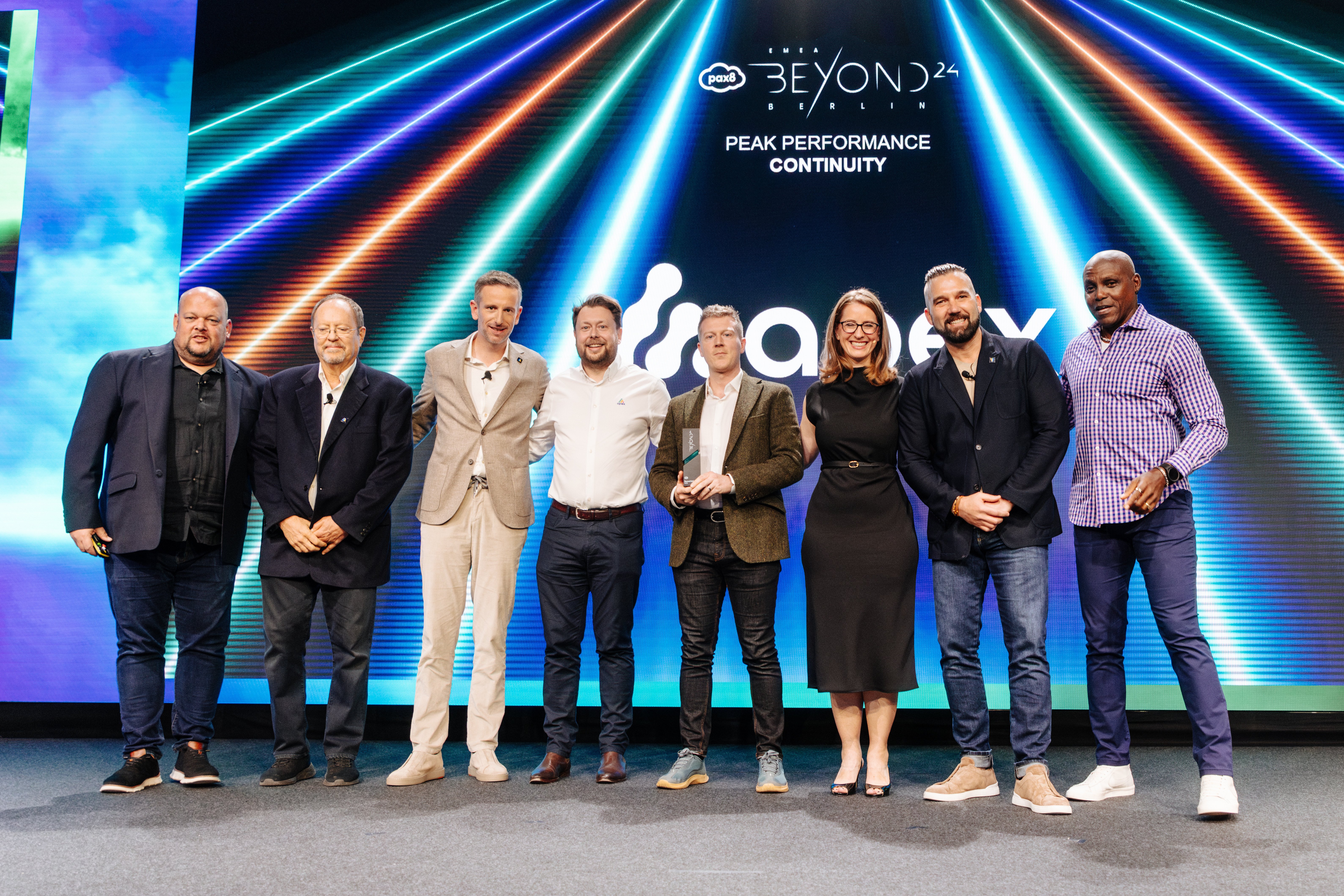
1. Apex Winning Award for IT Support - Manchesters MSP

Practical Support at Every Step

Apex supports organisations throughout their AI adoption journey, adapting the framework to suit business size, industry, and risk appetite.


Support examples:


- AI risk and readiness assessments
- Governance frameworks and templates
- Secure AI and automation deployment
- Use-case workshops and prioritisation
- Staff training an d adoption support
- Ongoing review and optimisation

Manchester Office

45 Spring Gardens, Manchester, M2 2BG

MediaCity Office

Laser House, Media Village, Waterfront Quay, Salford Quays, M50 3XW